




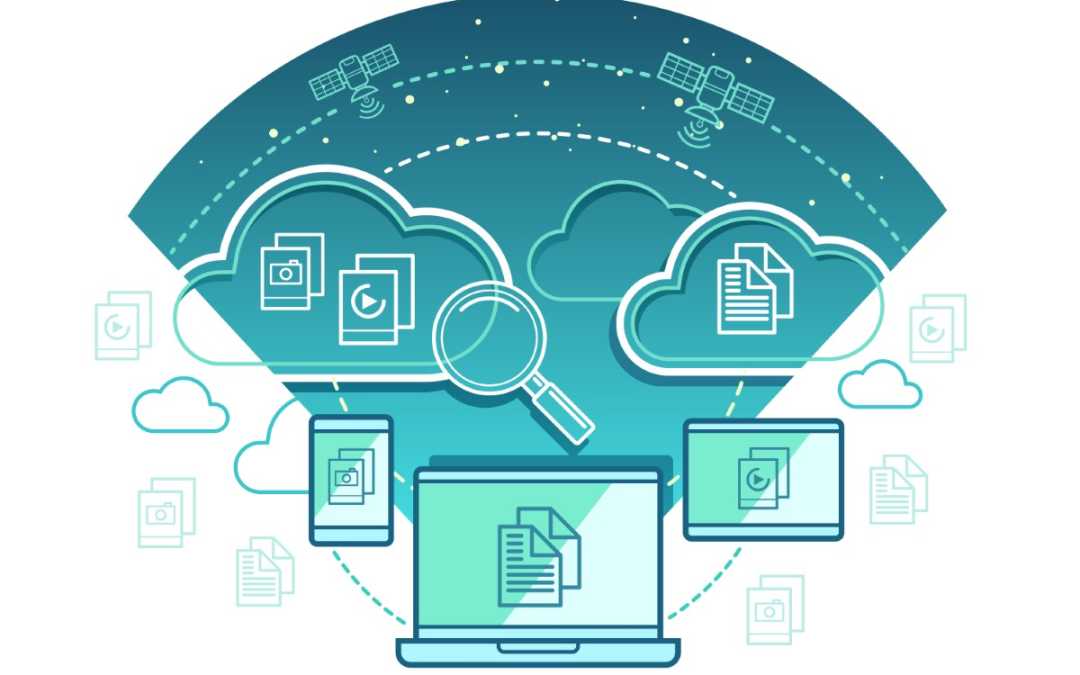
Data Scraping: Definition and Explanation
Data scraping, also known as web scraping, is the process of automatically extracting large amounts of data from websites or online sources. This technique is widely used in various fields, including data analysis, market research, and competitive intelligence. By leveraging data scraping, individuals and organizations can gather valuable information that is otherwise difficult to obtain manually.
How Data Scraping Works
Data scraping typically involves the following steps:
- Identifying the Target Website: The first step in data scraping is to identify the website or web pages from which data needs to be extracted. This could be anything from e-commerce sites, news articles, social media platforms, or any other online resource.
- Fetching the Web Page: Once the target website is identified, the next step is to fetch the web page’s HTML content. This is usually done using HTTP requests, which can be performed using various programming languages and libraries.
- Parsing the HTML: After fetching the web page, the HTML content needs to be parsed to extract the relevant data. This involves analyzing the structure of the HTML document and identifying the specific elements that contain the desired information.
- Extracting the Data: Once the relevant elements are identified, the data can be extracted and stored in a structured format, such as CSV, JSON, or a database.
Common Tools and Technologies for Data Scraping
There are numerous tools and programming languages available for data scraping. Some of the most popular ones include:
- Python: Python is one of the most widely used programming languages for data scraping due to its simplicity and the availability of powerful libraries such as Beautiful Soup, Scrapy, and Requests.
- JavaScript: JavaScript can be used for scraping dynamic web pages that rely on client-side rendering. Libraries like Puppeteer and Cheerio are commonly used for this purpose.
- R: R is another programming language that is popular among data scientists. Packages like rvest and httr make it easy to scrape data from websites.
- Web Scraping Tools: There are also several user-friendly web scraping tools available, such as Octoparse, ParseHub, and Import.io, which allow users to scrape data without extensive programming knowledge.
Applications of Data Scraping
Data scraping has a wide range of applications across various industries. Some of the most common use cases include:
1. **Market Research:** Businesses often use data scraping to gather information about competitors, pricing strategies, and market trends. This data can help organizations make informed decisions and develop effective marketing strategies.
2. **Content Aggregation:** Many websites and applications aggregate content from multiple sources. Data scraping allows these platforms to collect and display relevant information, such as news articles, product listings, or job postings.
3. **SEO and Keyword Research:** Digital marketers use data scraping to analyze search engine results, track keyword rankings, and gather insights about competitors’ SEO strategies. This information can be invaluable for optimizing online content and improving search visibility.
4. **Social Media Monitoring:** Companies often scrape social media platforms to monitor brand mentions, customer sentiment, and industry trends. This data can help businesses engage with their audience and improve their products or services.
5. **Real Estate Listings:** Real estate agents and investors frequently use data scraping to gather property listings, pricing information, and market trends from various real estate websites.
Legal and Ethical Considerations
While data scraping can be a powerful tool, it is essential to consider the legal and ethical implications associated with it. Some key points to keep in mind include:
– **Terms of Service:** Many websites have terms of service that explicitly prohibit data scraping. It is crucial to review these terms before scraping any website to avoid potential legal issues.
– **Robots.txt:** Websites often use a file called “robots.txt” to communicate with web crawlers about which parts of the site can be accessed. Respecting these guidelines is important for ethical scraping practices.
– **Rate Limiting:** Excessive scraping can put a strain on a website’s server, leading to performance issues. Implementing rate limiting and being considerate of the website’s resources is essential.
– **Data Privacy:** When scraping personal data or sensitive information, it is vital to comply with data protection regulations, such as the General Data Protection Regulation (GDPR) in Europe.
Conclusion
Data scraping is a powerful technique that enables individuals and organizations to extract valuable information from online sources efficiently. By understanding how data scraping works, the tools available, and the ethical considerations involved, users can harness the power of data scraping to gain insights and make informed decisions. However, it is essential to approach data scraping responsibly and ethically to avoid potential legal repercussions and maintain the integrity of the web.



