




Freehand Drawing
Freehand drawing is a technique of creating images or illustrations without the use of any tools or aids such as rulers, compasses, or stencils. This method relies solely on the artist’s hand and eye coordination, allowing for a more spontaneous and expressive form of art. Freehand drawing can be executed using various mediums, including pencils, pens, charcoal, and digital tools, making it a versatile skill for artists, designers, and hobbyists alike.
History of Freehand Drawing
The practice of freehand drawing dates back to prehistoric times when early humans created cave paintings using their hands and natural pigments. Over centuries, this technique evolved, becoming a fundamental aspect of artistic expression across cultures. Renowned artists such as Leonardo da Vinci and Michelangelo utilized freehand drawing to develop their ideas and refine their compositions before executing their masterpieces. In contemporary art, freehand drawing remains a vital skill, often serving as the foundation for various artistic disciplines, including illustration, animation, and graphic design.
Benefits of Freehand Drawing
Engaging in freehand drawing offers numerous benefits, both for aspiring artists and seasoned professionals. Some of these advantages include:
- Improved Hand-Eye Coordination: Regular practice enhances the ability to translate what one sees into a drawn representation, fostering better control over the drawing process.
- Creativity and Expression: Freehand drawing encourages spontaneity, allowing artists to express their thoughts and emotions without the constraints of precision tools.
- Enhanced Observation Skills: Artists develop a keen eye for detail, learning to observe shapes, proportions, and perspectives more acutely.
- Foundation for Other Techniques: Mastering freehand drawing serves as a crucial stepping stone for more advanced artistic techniques, such as painting and digital illustration.
Techniques and Tips for Freehand Drawing
To excel in freehand drawing, artists can adopt various techniques and tips that enhance their skills. Here are some essential practices:
- Start with Basic Shapes: Begin by breaking down complex subjects into simple geometric shapes. This approach helps in understanding proportions and perspectives.
- Practice Gesture Drawing: Gesture drawing involves quickly sketching the basic form and movement of a subject. This technique helps capture the essence of the subject without getting bogged down in details.
- Use Reference Images: While freehand drawing emphasizes spontaneity, using reference images can help improve accuracy and understanding of anatomy, perspective, and composition.
- Experiment with Different Mediums: Try various drawing tools and surfaces to discover what feels most comfortable and inspiring. Each medium can yield different results and enhance creativity.
Common Challenges in Freehand Drawing
While freehand drawing can be a rewarding experience, artists often face challenges that can hinder their progress. Some common issues include:
- Fear of Imperfection: Many artists struggle with the fear of making mistakes, which can stifle creativity. Embracing imperfections as part of the learning process is essential.
- Lack of Confidence: Beginners may feel intimidated by their skills compared to more experienced artists. Building confidence through regular practice and positive reinforcement is crucial.
Freehand Drawing in the Digital Age
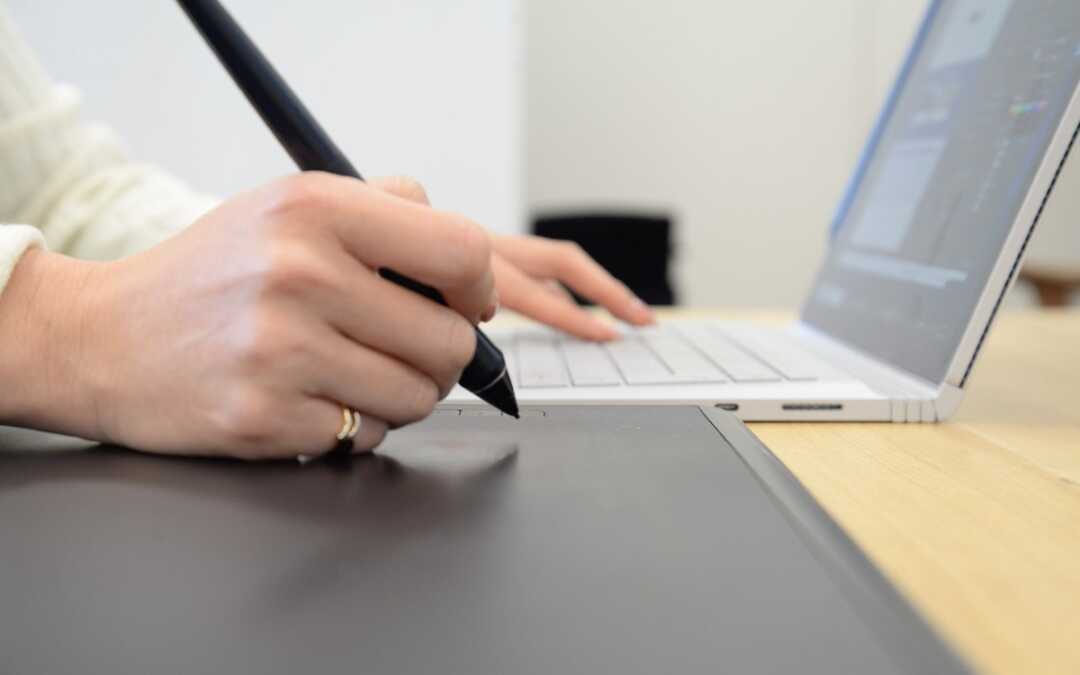
With the advent of technology, freehand drawing has found a new platform in digital art. Artists can now use graphic tablets and software like Adobe Photoshop, Procreate, and Corel Painter to create stunning illustrations. Digital freehand drawing offers unique advantages, such as:
- Undo Functionality: Unlike traditional drawing, digital platforms allow artists to easily correct mistakes, encouraging experimentation.
- Variety of Brushes and Tools: Digital art programs provide a vast array of brushes and tools that mimic traditional mediums, enabling artists to explore different styles and techniques.
Conclusion
Freehand drawing is an essential skill that fosters creativity, observation, and artistic expression. Whether practiced on paper or through digital mediums, it allows artists to communicate their ideas and emotions in a unique and personal way. By embracing the challenges and honing their techniques, artists can unlock their full potential and enjoy the rewarding journey of freehand drawing.



